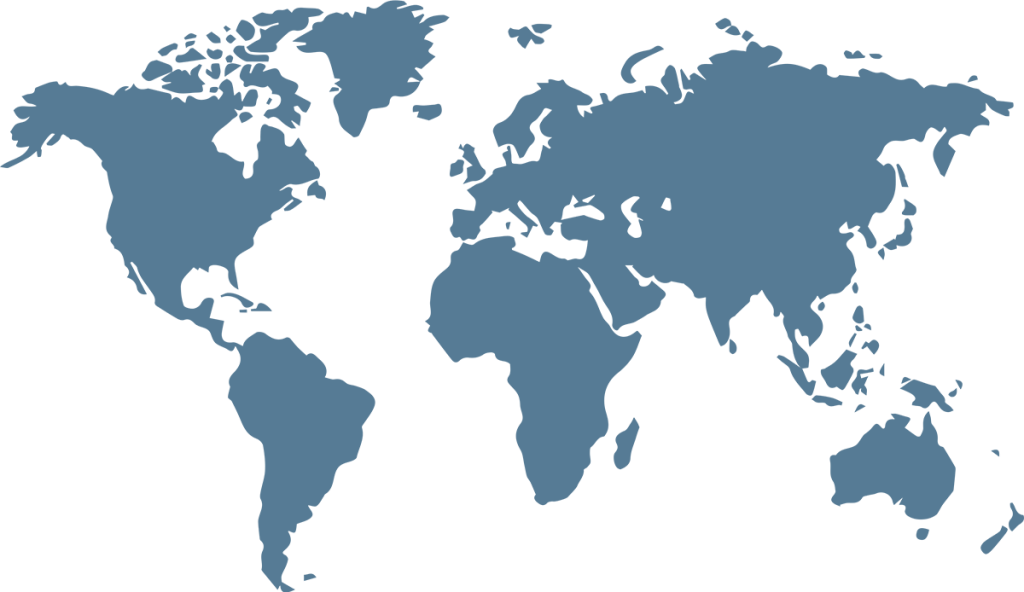
Look closely at the global entertainment landscape, and a profound technological and geopolitical realignment becomes visible. For decades, the video game industry valued at over $200 billion, comfortably eclipsing Hollywood and global music revenues combined has existed as an exclusively Western and East Asian monoculture. The code was written in Silicon Valley, Tokyo, or Seoul; the default settings remained American battlefields, European historical epics, or Asian fantasy realms.
But beneath the radar of traditional venture capital, a new vanguard of domestic creators is moving from the controller to the keyboard. Driven by the explosive proliferation of smartphones, dropping mobile data costs, and an unyielding digital hustle, Africa’s gaming market has crossed the $3 billion threshold. It is an expansion powered by a stark statistical reality: Africa possesses the youngest, fastest-growing population on Earth, with a median age of just 19.
While Western markets face structural plateaus, Africa’s digital economy is accelerating. Nations are innovating directly through their unique economic constraints. South Africa leverages its historic corporate stability to anchor multinational studios, while Kenya uses its advanced mobile-money infrastructure to lead the charge in mobile puzzle designs.
Yet, it is Nigeria that has emerged as the chaotic, creative heartbeat of African indie game development. In the same way the country weaponized limited tech to turn Nollywood into a cinematic superpower and revolutionized global music with Afrobeats, its independent game developers are translating raw urban energy and deep ancestral lore into a globally competitive export.
Leapfrogging the Monoculture: The Nigerian Sandbox
To understand the sudden momentum of the Nigerian gaming ecosystem is to witness the economic phenomenon known as “leapfrogging.” Just as Africa bypassed landline telephony straight to mobile phones, its creative class is leapfrogging traditional, gatekept publishing houses. Armed with free, democratic game engines like Unity and Unreal Engine, a hyper-collaborative generation of self-taught programmers is building games directly for the world’s most ubiquitous device: the smartphone.
Historically, Nigeria’s insatiable demand for digital entertainment was met entirely by foreign imports. Today, grassroots developer communities and tech hubs like Africa Comicade are fostering the talent required to reverse that trend.
This is more than standard consumer entertainment; it is an economic imperative. Game development serves as a high-yield vehicle for the broader digital economy, creating sustainable tech jobs for local animators, sound designers, writers, and engineers. While infrastructure challenges like erratic power supplies and fragmented domestic payment processing remain constant, the sheer creative output is undeniable.
The Frontline: Six Nigerian Titles Rewriting the Rules
The true proof of Nigeria’s digital renaissance lies in the code. From high-octane mobile transit simulators to PC and console-bound dark fantasy RPGs, these six titles demonstrate the incredible breadth of the country’s indie talent:
1. Danfo Hustle: Lasgidi Payback
Developer: Okilo Integrated Hub & Goondu Games
Platform: iOS & Android (Upcoming)
The Paradigm: A vibrant piece of interactive urban sociology. Showcased to critical acclaim at regional expos, this mobile title captures the iconic yellow Danfo commuter buses and the frantic, informal transport economy of Lagos, turning the daily high-stakes navigation of urban survival into a compelling mechanical loop.
2. Outliver: Revelation
Developer: Gbrossoft
Platform: Android & PC (Steam)
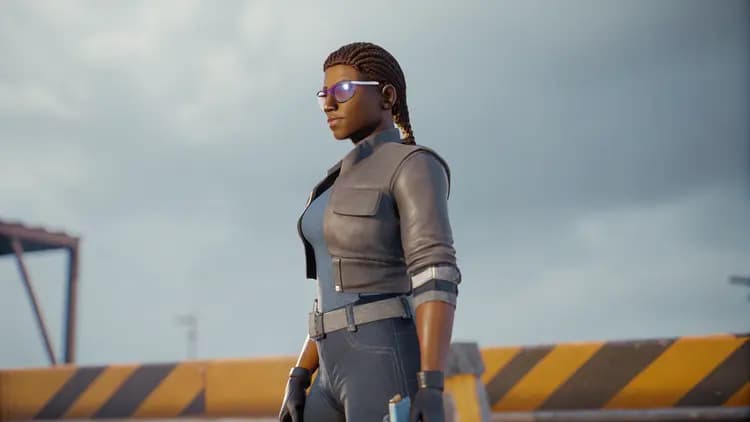
The Paradigm: Resident Evil meets West African cosmology. This atmospheric third-person action-adventure seamlessly blends survival-horror elements with punishing, tactical, “Souls-like” combat. Players guide a soldier trapped in a supernatural realm where they must survive dark mythological rituals.
3. ADVENTURERS: Mobile
Developer: Raven Illusion Studio
Platform: Android (Google Play)
The Paradigm: A highly kinetic demonstration of geographic scope. Blending third-person shooter mechanics with environmental puzzle-solving, this pulp adventure serves as an interactive tour of diverse topography, forcing players to decode clues while traversing bustling market squares, dense jungles, and arid deserts.
4. Beyond Service
Developer: Goondu Games
Platform: In Development
The Paradigm: Narrative-driven geopolitical realism. Developed by the Enugu-based outfit Goondu Games, this survival-focused title trades easy escapism for a layered, culturally grounded story regarding community resistance and structural power dynamics in high-friction environments.
5. Otite Reborn
Developer: LogicDev Studios
Platform: Windows PC
The Paradigm: An exercise in historical preservation. Set within the ancient, sophisticated Edo Kingdom, this dark fantasy allows players to control a battle-hardened warrior navigating the legendary “Evil Forest.” It stands as a reminder that non-Western history possesses immense narrative capital that global gaming has long ignored.
6. Legends of Orisha: Blood and Water
Developer: Dimension11 Studios
Platform: PC, Xbox, & PlayStation (Upcoming)
The Paradigm: The most structurally ambitious project emerging from West Africa. Built on Unreal Engine 5, this upcoming console RPG crafts an expansive, high-fidelity fantasy world rooted entirely in Yoruba mythology. Mirroring the thematic weight of contemporary West African-inspired literature, the title aims squarely at the global market, proving regional lore can scale to the highest tier of global tech.
The Bottom Line: Nigeria’s indie game scene is no longer a peripheral novelty. It is a nascent creative industry on the verge of global disruption, proving that when you give African creators the tools to build, they won’t just play the game they will program the future.