The first time the word “bandit” began to dominate Nigeria’s national conversation, it arrived with a deceptive, almost cinematic innocence. To the average citizen, bandits belonged to the lore of old Western films or rural folklore – isolated outlaws who rustled cattle, ambushed travellers on dusty trade routes, and dissolved back into the wilderness. It implied a localized problem of law enforcement; a challenge of ordinary criminality.
But somewhere between the dense, ungoverned forests of Zamfara and the blood-slicked tarmac of the Kaduna highway, the vocabulary mutated.
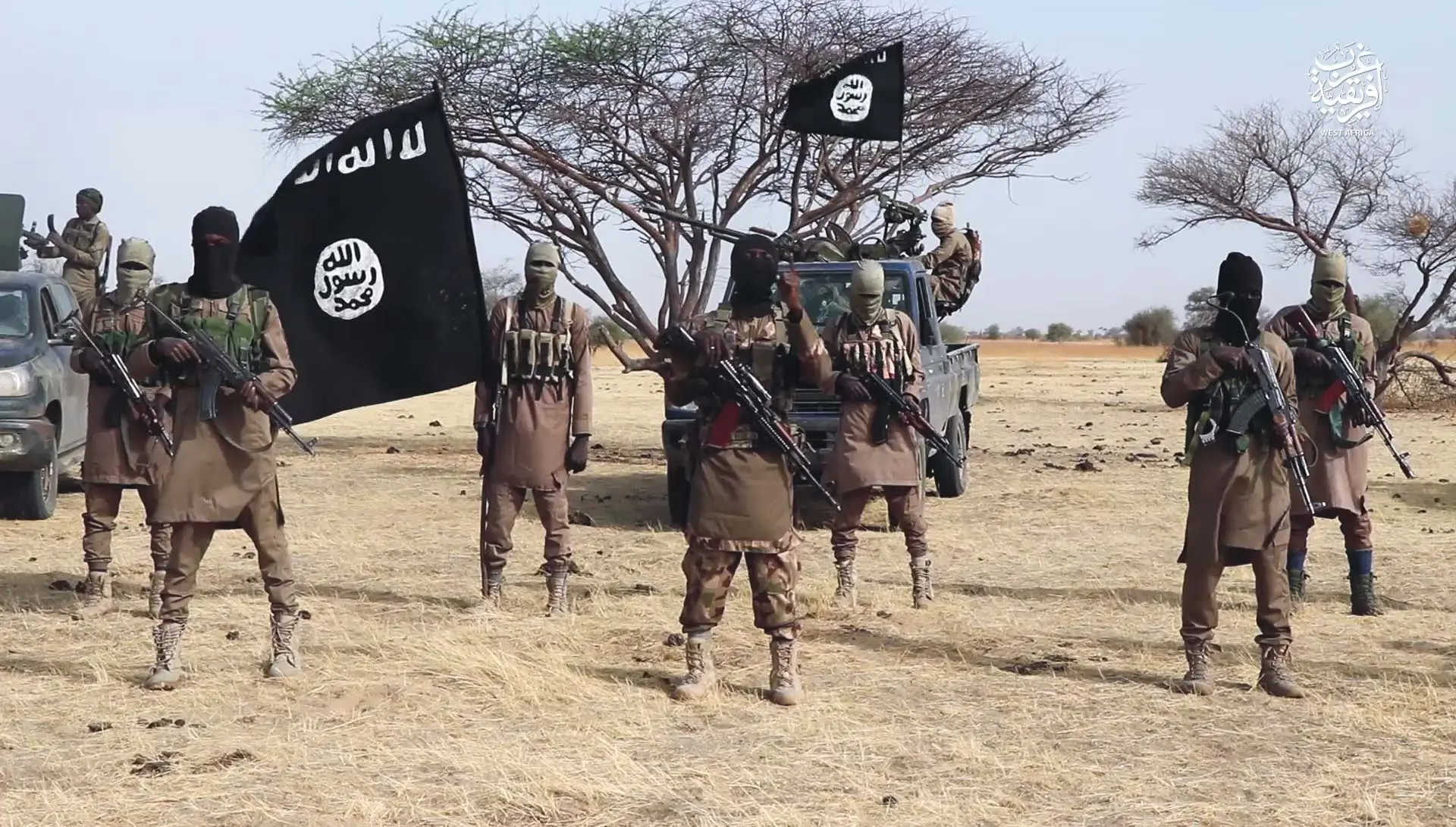
Villages were systematically razed to the ground. Thousands of schoolchildren were marched at gunpoint from their dormitories into the bush. Farmers were forced to pay seasonal protection taxes to armed syndicates simply to cultivate their fields, and entire communities were left to negotiate the terms of their survival with heavily armed warlords.
Yet, long after these actions had evolved into an existential threat to the state, the official designation remained stubbornly, inexplicably stagnant.
They were still just bandits.
The Geopolitics of a Nomenclature
To understand how Nigeria arrived here, one must look at the intersection of political strategy and state capacity. Since the ruling All Progressives Congress (APC) assumed power in 2015, the country has navigated one of the most volatile security environments in its modern history. While the military fought the ideological jihadist insurgency of Boko Haram in the Northeast, an entirely separate, brutal enterprise metastasized across the Northwest and North-Central regions. Mass kidnappings became a lucrative, industrial-scale economy, and internal displacement scaled catastrophic heights.
Throughout this compounding multi-front crisis, official communications from Abuja maintained a strict, artificial linguistic firewall.
The weight of the word “terrorist“ was kept behind lock and key, reserved exclusively for the unarmed self determination separatists in the East.
The groups ravaging the Northwest were systematically downgraded to “armed gangs,” “criminal elements,“ or “bandits.”
To security analysts, this was a distinction without a difference and a deeply dangerous one. When highly organized syndicates use heavy weaponry to enforce territorial control, levy taxes, abduct children en masse, and openly challenge the state’s monopoly on force, they cross the line from criminality into terrorism.
Why the reluctance to call them what they are? Because labeling a crisis “terrorism“ forces a government to admit a fundamental breakdown in sovereignty. It elevates a local policing failure into an existential national emergency, requiring the full, costly mobilization of the state military apparatus and international intelligence integration.
History’s Unlearned Lessons
Nigeria has walked this treacherous path before, and the ghost of that history heavily shadows today’s crisis. A generation ago, when the threat of Boko Haram was still in its infancy, the political establishment spent crucial years intellectualizing and dismissing the group as a localized, socio-economic nuisance. By the time the state recognized the scale of the threat and mobilized its full military power, the monster had already grown heads.
The Policy Trap: By refusing to brand northwestern militias as terrorists during their formative years, the political establishment systematically understated both their tactical sophistication and their broader ambitions.
Language, after all, dictates policy. If you diagnose a cancer as a skin rash, your treatment will inevitably fail. A criminal requires a police response; a terrorist network requires the total deployment of national military strength. By treating a structural security emergency as a series of isolated criminal acts, Abuja effectively treated a wildfire like a kitchen spark buying the perpetrators the most valuable commodity in any conflict: time.
How the Media Adopted the Euphemism
Governments choose their words to shape perception, but journalism is tasked with reporting reality. Over time, however, much of the Nigerian media landscape gradually and perhaps inevitably capitulated to the terminology of official press releases.
Night after night, the horror was normalized in print and over the airwaves:
“Bandits attack village in Katsina.“
“Bandits abduct dozens from highway.“
“Radio panels debate the latest bandit incursions.“
This repetition did more than just expand the national vocabulary; it managed public panic at the expense of clarity.
Terminology: Banditry
Implication: Commits an illegal, opportunistic act for localized economic gain.
Tactical Reality on the Ground: Implies isolated, uncoordinated lawlessness.
Terminology: Terrorism
Implication: Employs systematic violence to paralyze a population and project power.
Tactical Reality on the Ground: Reflects strategic, heavily armed warfare against the state.
For the millions of Nigerians living under the shadow of the gun, this semantic acrobatics was never an academic exercise it was a matter of life and death.
Beyond Abuja’s Definitions
In the trenches of the Northwest, there is no appetite or patience for the semantic hand-wringing of air-conditioned capital offices. Ask the displaced villagers, and they will describe hundreds of men arriving on waves of motorcycles, wielding military-grade assault rifles. They will tell you of selling ancestral lands and liquidating lifetimes of savings just to pay ransoms, only for their loved ones to be returned in body bags or not at all.
To those surviving this nightmare, the academic arguments over labels feel profoundly detached. They care far less about what vocabulary Abuja uses to describe the men with the guns than they do about whether the state has the political will to eliminate them.
The Verdict: The War of Words
Names alone do not win wars, but they define the seriousness with which they are fought. While federal authorities have occasionally shifted their rhetoric under intense public and legal pressure, the legacy of that initial hesitation lingers in compromised borders and deeply entrenched militia networks.
Moving forward, the burden of clarity does not rest on political leadership alone:
The State must permanently abandon political correctness, recognizing that when a group challenges the sovereignty of borders, it is an enemy of the state, not an ordinary thief.
The Media must urgently examine the vocabulary it inherits. Journalism is not a megaphone for state euphemisms; it is a mirror held up to reality.
Wars are fought with kinetic weapons, but they are framed with words. The language a nation chooses to describe its threats ultimately determines whether it possesses the resolve to defeat them or whether it is simply managing its own decline.