
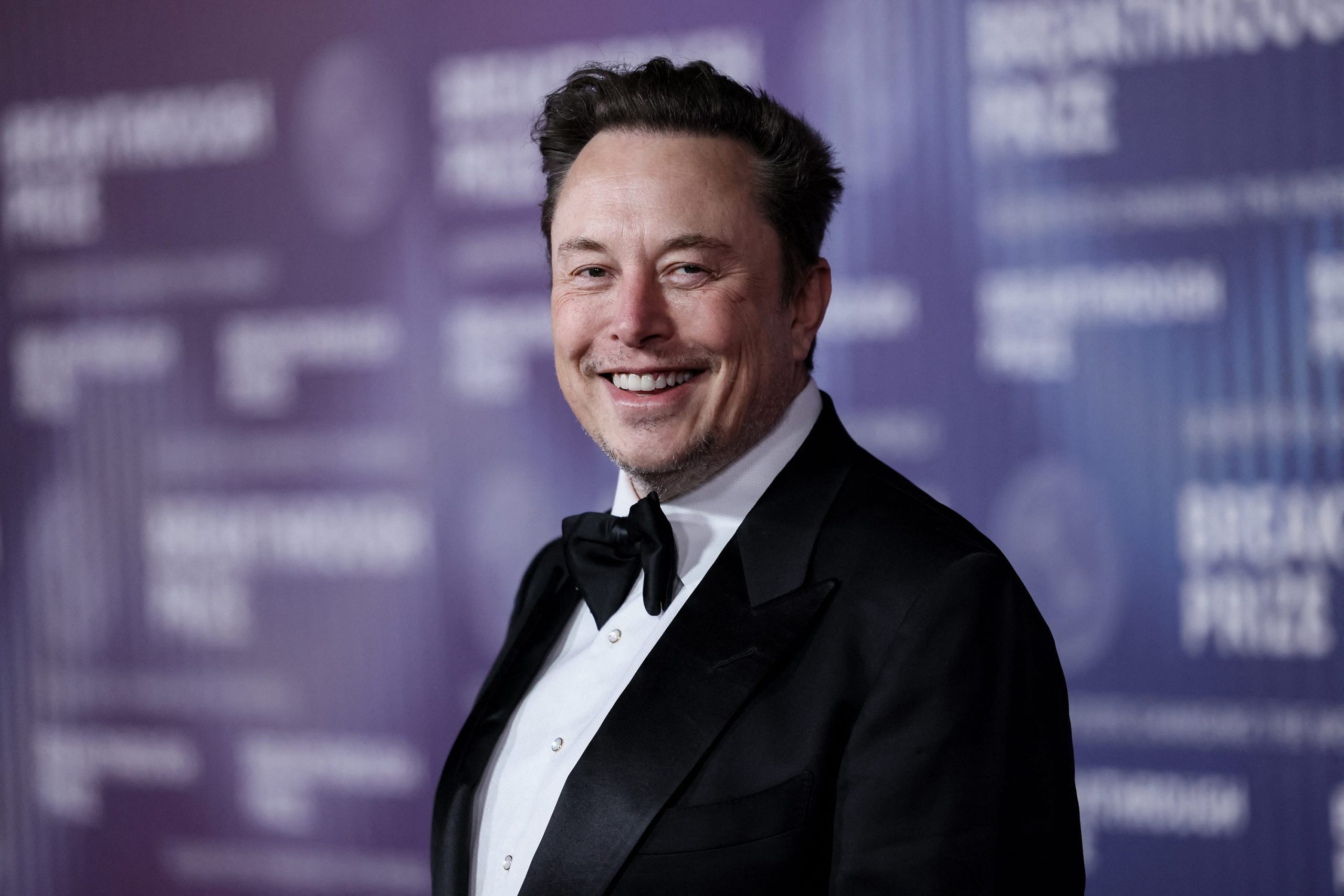
Elon Musk’s ascent to a trillion-dollar fortune is more than a personal milestone. It signals a profound shift in how wealth is created, accumulated and projected in the 21st century.
There was a time when the world’s richest men built their fortunes from oil fields, steel mills, railroads and vast stretches of land. Their wealth flowed from what they owned beneath the ground or manufactured above it. On June 12, 2026, that era gave way to something new.
When Elon Musk’s net worth crossed the trillion-dollar mark following SpaceX’s blockbuster public offering, the world witnessed a milestone that had long seemed the stuff of speculation. The first trillionaire had arrived.
The achievement was historic not merely because of the staggering number attached to Musk’s name, but because of what it represented. The world’s first trillionaire was not created by inheritance, natural resources or political patronage. He emerged from technology, innovation, intellectual property and an unwavering belief in industries that many considered too risky, too ambitious or simply impossible.
Toripost earlier in the year made predictions that Musk could become the world’s first trillionaire but were met with skepticism. Critics pointed to market volatility, regulatory hurdles and the enormous capital requirements of ventures such as electric vehicles, reusable rockets and artificial intelligence. Yet the foundations of the trillion-dollar fortune were already being laid.
Tesla transformed the global automobile industry and accelerated the transition to electric mobility. SpaceX revolutionized space transportation, reducing launch costs and turning what was once the preserve of governments into a thriving commercial enterprise. Starlink extended internet connectivity to remote corners of the globe. Investments in artificial intelligence positioned Musk at the forefront of another technological revolution.
The common thread was not merely innovation. It was ownership.
Musk consistently maintained substantial stakes in companies operating at the frontier of technological change. As these industries expanded, the value of those ownership positions compounded at a scale rarely seen in economic history.
The significance of this moment extends far beyond one individual. The rise of the world’s first trillionaire underscores a broader transformation in the global economy. Increasingly, the most valuable assets are not oil wells, ports or factories. They are algorithms, data networks, intellectual property, advanced manufacturing systems and technologies capable of reshaping entire industries.
The trillionaire era may ultimately be remembered as the point at which innovation became more valuable than extraction.
This reality carries important lessons for billionaires, entrepreneurs and policymakers around the world—particularly in Africa.
WHAT AFRICAN BILLIONAIRES CAN LEARN FROM MUSK
Africa has produced remarkable business leaders whose fortunes have been built through cement, telecommunications, banking, manufacturing, energy and trade. These sectors remain vital to economic development and job creation.
Yet Musk’s journey highlights a different pathway to wealth creation—one rooted in solving global problems through technology.
The lesson is not that African entrepreneurs should build rockets. Rather, it is that the greatest fortunes of the coming decades are likely to emerge from scalable innovation.
Many African businesses remain concentrated in domestic or regional markets. Musk built enterprises designed from the outset to serve global demand. He invested heavily in research, accepted short-term losses in pursuit of long-term gains and focused on industries that could reshape the future.
African billionaires seeking to build enduring global enterprises may need to allocate greater resources to research and development, artificial intelligence, renewable energy, biotechnology, advanced manufacturing and digital infrastructure. The next generation of wealth may not come from controlling commodities, but from creating technologies that make those commodities more valuable.
Equally important is the willingness to think in decades rather than quarters. Musk repeatedly pursued projects whose returns appeared distant and uncertain. That patience, combined with relentless reinvestment, helped create businesses capable of generating extraordinary value.
The contrast is striking. Traditional industries often scale linearly. Technology scales exponentially.
A mine can produce only so much output. A software platform can serve billions.
A factory may require a new facility to double production. An algorithm can reach global markets almost instantly.
This difference helps explain why the first trillionaire emerged from technology rather than from the industries that produced many of the world’s richest individuals in previous generations.
Yet the trillionaire milestone also raises difficult questions.
The concentration of wealth on such a scale inevitably fuels concerns about inequality, corporate power and democratic accountability. As technology entrepreneurs gain increasing influence over communications, transportation, artificial intelligence and even space infrastructure, governments and societies will face growing debates about regulation and oversight.
The creation of unprecedented wealth does not automatically translate into shared prosperity. The challenge for policymakers will be ensuring that technological progress benefits broader populations rather than a narrow group of owners and investors.
Still, the arrival of the world’s first trillionaire sends a clear signal about the future.
The economic giants of the next century are unlikely to be defined solely by what they extract from the earth. They will be defined by what they imagine, invent and scale.
The more intriguing question now is not how Elon Musk became the first trillionaire.
It is who comes next.
Will it be an artificial intelligence pioneer? A biotechnology entrepreneur who transforms healthcare? A renewable energy innovator who powers entire continents? Or perhaps an African entrepreneur who leverages technology to solve challenges at a scale the world has yet to imagine?
History will provide the answer. But one lesson is already clear: in the 21st century, the road to extraordinary wealth increasingly runs through innovation. The age of the trillionaire has begun.