

Lagos, Nigeria – When international economists analyze the macroeconomic health of sub-Saharan Africa, the conversation almost always centers on top-down indicators: foreign exchange liquidity, sovereign debt metrics, and the volatile fluctuations of the Nigerian naira. Western institutions routinely prescribe the same sterile solutions – monetary tightening, fiscal austerity, and structural adjustment loans.
But this elite, boardroom framework misses a fundamental economic reality. In a nation like Nigeria, the formal economy is merely the tip of the iceberg. The real engine of the country is entirely informal. According to the International Labour Organization, the informal sector accounts for over 80% of total employment across sub-Saharan Africa. Walk through the chaotic, high-velocity open-air trading floors of Lagos’s Balogun or Onitsha market on a Tuesday morning, and you will see millions of nairas change hands in seconds over bins of hardware, textiles, and electronics.
For decades, a silent tax has weighed heavily on this vibrant ecosystem: the lack of practical operational education. Micro-entrepreneurs have the hustle, but they are forced to navigate systemic volatility without a safety net. This is precisely why Egbete Johnsmith’s “Street MBA” initiative is such a refreshing, disruptive antidote to traditional development models.
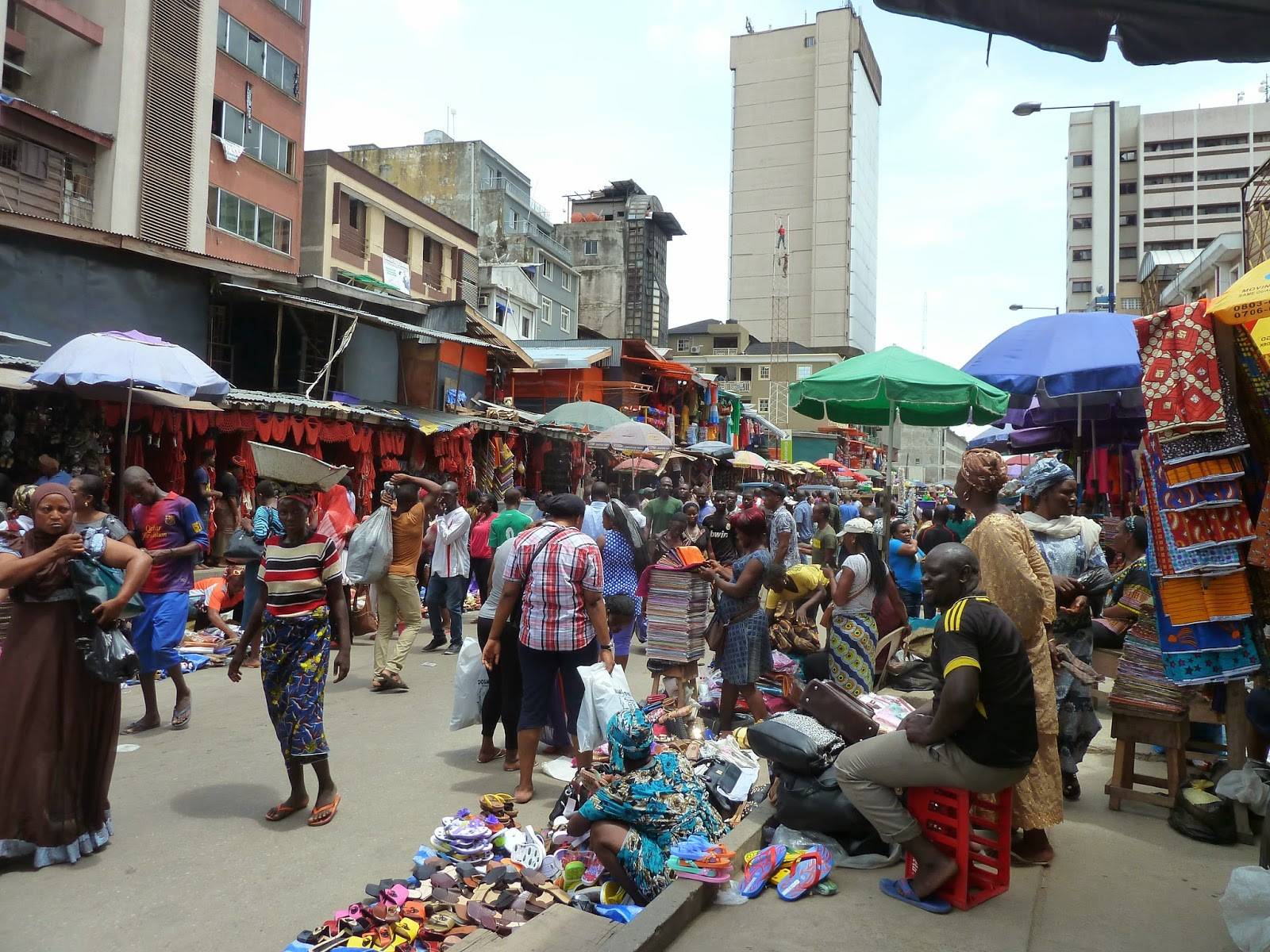
Instead of waiting for institutional reforms that never arrive, Smith has taken the curriculum directly to the pavement. The Street MBA strips away high-minded corporate fluff and translates core business principles into raw, actionable strategies tailored specifically for high-risk, informal environments.
JARGON-FREE, FRICTIONLESS, AND FIERCELY PRACTICAL
Traditional MBA programs are built like laboratory experiments; they assume a baseline of stability—predictable inflation, steady electrical grids, and fluid access to commercial bank loans. In the informal markets of Nigeria, those assumptions are a fantasy. Small business owners here are constantly battling supply chain shocks, currency devaluations, and zero institutional cushion.
The brilliance of JohnSmith’s approach lies in its absolute rejection of academic gatekeeping. The program targets the immediate, structural leaks that routinely sink micro-enterprises before they can scale:
Financial Disassociation: Enforcing a hard, systemic line between personal household survival cash and business equity, the single biggest structural point of failure for family-run shops.
Inventory Hyper-Velocity: Shifting the vendor mindset away from capital hoarding of cheap goods toward fast asset turnover, ensuring cash stays liquid and protected from inflation.
Informal Credit Architecture: Codifying the unspoken localized rules of trust, reputation, and vernacular credit lines into scalable, repeatable business systems.
To expect a busy, cash-strapped market vendor to shut down their stall, sacrifice a day’s revenue, and sit in an upscale, air-conditioned university lecture hall is peak elitism. By bringing micro-lessons straight to the stalls, the Street MBA executes a brilliant piece of economic democratization.
THE VERDICT: BOTTOM-UP MODERNIZATION
There is a broader, critical lesson here for global policymakers. For generations, the consensus in international development has been that to modernize a developing economy, you must force it to formalize shoving street vendors and micro-traders into rigid regulatory and tax frameworks before they are equipped to survive them.
The Street MBA suggests a far more pragmatic path. True economic resilience does not come from waiting for top-down, bureaucratic government reforms, nor does it come from praising entrepreneurs for their “resilience” while leaving them empty-handed. It comes from equipping the vast, vibrant base of the population with the precise, localized operational tools required to convert a daily scramble into a sustainable, generational enterprise.
If Nigeria is to truly unlock its massive potential, its economic future will not be written exclusively in the high-rises of Victoria Island. It will be built on the street.