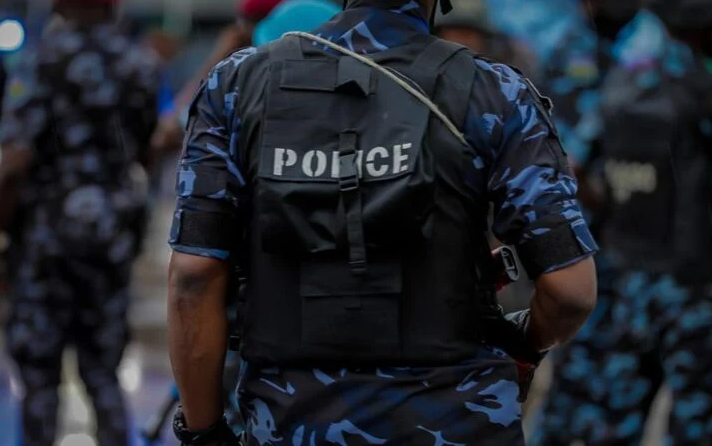
In the heart of Owerri, Imo State’s bustling capital, a fortress of fear looms under the guise of justice. Known as Tiger Base – the Anti-Kidnapping Squad of the Imo State Police Command – this facility has earned a chilling moniker: the “Forest Slaughterhouse.” It is here, amid claims of combating crime, that the lives of countless Igbo youths are being systematically extinguished, their bodies broken, their organs allegedly harvested, and their families left in a void of grief and silence. This is not hyperbole; it is the raw testimony of survivors, the anguished cries of relatives, and the mounting evidence from human rights watchdogs that demands the world’s urgent intervention.
Tiger Base was ostensibly established to tame the scourge of kidnappings plaguing southeastern Nigeria, a region where insecurity has festered like an open wound. But what began as a tactical unit has devolved into a chamber of horrors, evoking the ghosts of the disbanded Special Anti-Robbery Squad (SARS), whose brutality sparked the #EndSARS uprising in 2020. Reports from former detainees paint a picture of unrelenting savagery: suspects dragged from buses at gunpoint, chained like relics from the transatlantic slave trade, and subjected to beatings that leave them unrecognizable. “Inside its walls, the air was so stale and thick that even chickens, if abandoned there, would struggle to survive more than a few days,” one ex-detainee recounted in a viral forum post. Another described being forced to sign confessions at gunpoint, charged with fabricated crimes like armed robbery or kidnapping, then billed millions of naira for bail – sums that bankrupt families and seal fates.
The toll on Igbo youths is staggering and disproportionate. In a region where young men and women navigate economic hardships and political marginalization, Tiger Base has become a predator in uniform. Over the past year alone, petitions from 35 civil society organizations have flooded the Nigerian Senate, detailing “egregious human rights violations” including unlawful detention, torture, coercion, extortion, and extrajudicial killings. One such victim was Japheth Njoku, a young man arrested in March 2025 on a petty theft charge. Tortured relentlessly by officers demanding a false confession and millions in “ransom,” Njoku succumbed to his injuries on May 26, his body secretly dumped in a morgue while police lied to his family that he was still alive. His death, attributed to blunt force trauma, is far from isolated. The family of businessman Onuocha Johnbosco accuses Tiger Base operatives of abducting him, killing him, and burying his corpse in a shallow grave – yet another life erased without trial or trace.
Worse still are the whispers of organ harvesting, a macabre allegation that has ignited fury across Igbo communities. Social media erupts with firsthand accounts: youths vanishing into the base, only for rumors to surface of their parts being sold on black markets. “Oladimeji, a Yoruba man [the base’s commander], is the mastermind behind an organ-harvesting and kidnapping operation,” charges one activist, linking the crisis directly to non-indigenous leadership exploiting ethnic tensions.
The Indigenous People of Biafra (IPOB), long vilified by authorities, has repeatedly warned of these “nefarious activities,” calling Tiger Base a “slaughterhouse” supervised by state actors to intimidate opposition. Even as police headquarters audited the facility in July 2025 following investigative reports – leading to the release of some illegally detained inmates – the abuses persist unchecked.
This is no mere local scandal; it is a humanitarian crisis rooted in Nigeria’s fractured federation. The Igbo, historically scapegoated since the 1967-1970 Biafran War, face renewed erasure in their ancestral homeland. Governor Hope Uzodimma’s administration, accused of weaponizing the unit against perceived enemies, has turned a blind eye, even as traditional rulers and community leaders decry the fear gripping Imo State. Youths now avoid calling the base for arrests, knowing it seals a death sentence. “You dare not call Tiger Base for your kindred brother… the person is not coming home alive,” laments one eyewitness.
Families live in terror, villages mourn in whispers, and an entire generation is culled – echoing the Python Dance operations that crushed dissent in the Southeast.
The world must pay attention because silence enables genocide by attrition. International bodies like the United Nations Human Rights Council and Amnesty International have condemned similar police atrocities in Nigeria before; now is the time to act. Economic sanctions on complicit officials, travel bans for perpetrators, and demands for an independent probe could dismantle this apparatus of death. African Union mediators must intervene, as must global Igbo diaspora networks amplifying these voices on platforms like X, where hashtags like #ShutDownTigerBase trend amid raw pleas for justice.
Shutting down Tiger Base is not optional – it is imperative. Nigeria’s federal government, through Inspector General Kayode Egbetokun, must dissolve the unit, prosecute its commanders, and reform policing with community oversight. For the Igbo, it means reclaiming sovereignty over their security, perhaps through genuine regional autonomy. The slaughter must end, not with more audits or denials, but with the roar of global outrage that topples the tigers in human form.
The blood of these youths cries from Owerri’s forests. Will the world listen, or let history repeat its darkest chapters? The choice is ours – act now, or forever bear the stain of indifference.