

In the heart of Eastern Nigeria, where the humid air carries the hum of machinery and the scent of opportunity, Abia State is scripting a remarkable comeback. Once overshadowed by infrastructure woes and political inertia, this compact powerhouse home to the bustling city of Aba, often called the “Japan of Africa“ for its entrepreneurial zeal is now drawing global eyes.
Under Governor Alex Otti’s stewardship, Abia is not just rebuilding; it’s reimagining itself as a beacon for investors seeking Africa’s next growth story. As Nigeria grapples with economic headwinds, from inflation to forex shortages, Abia’s targeted reforms offer a blueprint for resilience and a compelling case for capital inflows.
The transformation didn’t happen overnight. For years, Abia languished under mismanagement that saw roads crumble, power flicker, and businesses flee. Pension arrears piled up over a decade, eroding trust in government. But since Otti took office in 2023, the state has flipped the script. In a bold move, his administration cleared a 16-year backlog of benefits for families of deceased workers and acquired a 60% stake in the Enugu Electricity Distribution Company (EEDC) assets, signaling a commitment to energy security. Meanwhile, the national Debt Management Office ranked Abia first in public debt reduction among all states, freeing up resources for growth.
At the core of this revival is infrastructure. In July 2025, the African Development Bank (AfDB) and partners launched a $263.8 million project to overhaul urban transport, erosion control, and waste management in Abia addressing long-standing barriers to mobility and sustainability. President Bola Tinubu, during a recent visit, underscored Abia’s pivotal role in Nigeria’s economy, noting the completion of federal projects like the N66 billion Umuahia-Aba Motorway and 50 km of the Ikot Ekpene-Aba highway. Seven major roads in Aba alone have been commissioned, easing logistics in a city where commerce pulses through every street. And with 2,750 km of road networks, 1,215 MW in power generation, and operational rail lines connecting to Port Harcourt and Enugu, Abia is primed for seamless trade.
But it’s the economic diversification that truly excites. Abia produces 60,000 barrels of crude oil daily from 57 active wells, yet its ambitions extend far beyond hydrocarbons. The state is courting U.S. partnerships in renewable energy and SMEs, with a strategic roundtable in August 2025 exploring solar and wind opportunities. Agriculture, too, is blooming: On World Food Day this October, Otti vowed to transform the sector, leveraging fertile zones for cocoa, rice, oil palm, and cassava. Investors are already responding witness the influx into boat cruises, logistics, and beach developments along the coast.
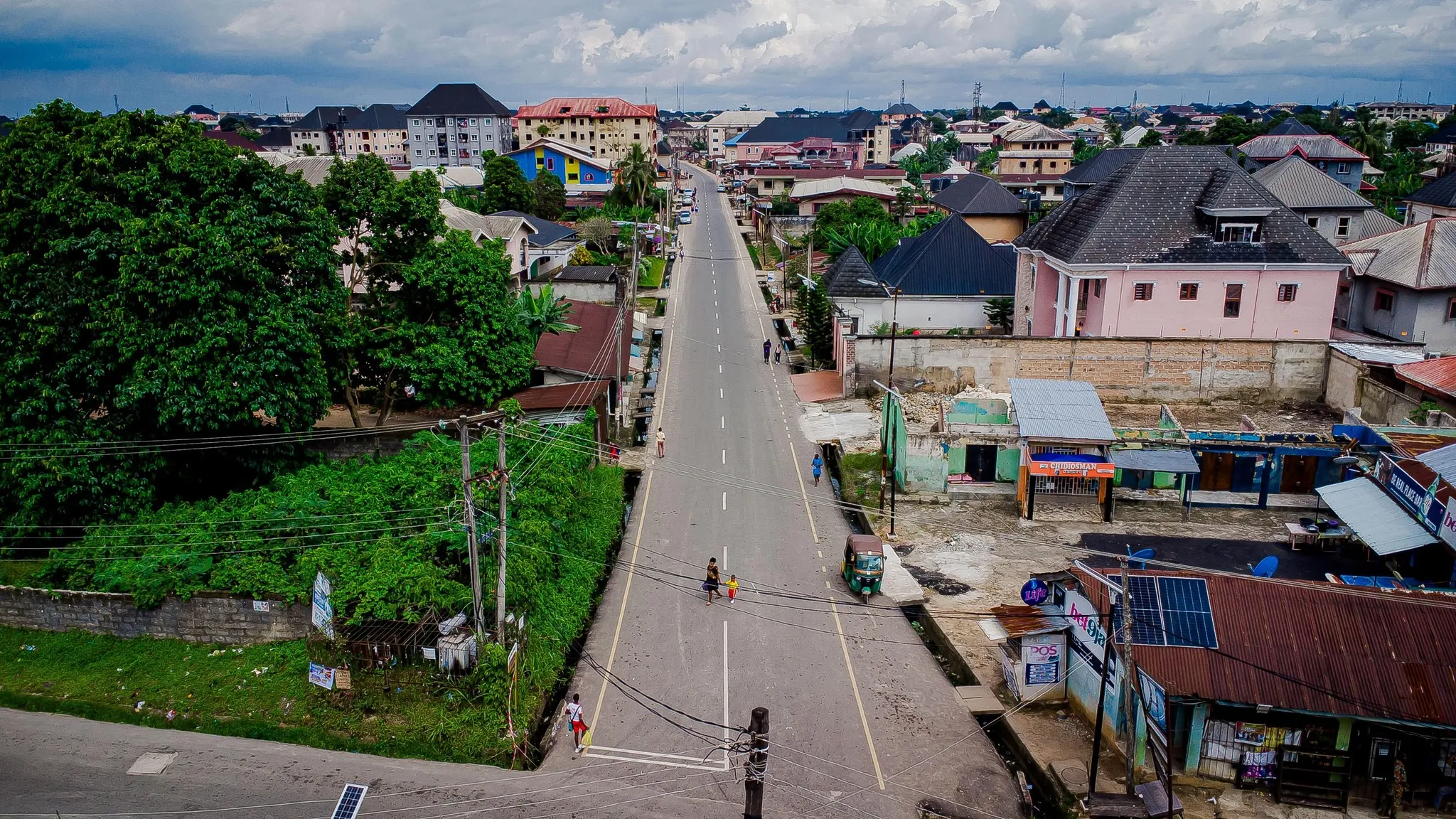
One of the eight roads inaugurated by President Tinubu in Aba Abia State
Aba’s Ariaria Market exemplifies this momentum. Once a symbol of untapped potential, it’s evolving into a multi-billion-dollar hub, drawing billionaires back home. As Ndubuisi Ekekwe, a Harvard Business Review contributor and chair of Abia’s Global Economic Advisory Council, noted in a July post: “Abia State is back in all categories… If you’re not investing in Abia right now, you are not doing business in Nigeria.” Stories abound of diaspora Abians returning, enticed by stable electricity, a skilled artisan workforce, and public-private partnerships (PPPs) in infrastructure, agro-processing, healthcare, waste management, and education. One entrepreneur highlighted the thrill: “Investors are exploring new opportunities in Abia,” from manufacturing shoes and garments to pioneering renewable initiatives.
Of course, challenges remain Nigeria’s broader economic volatility, for one. Yet Abia’s proactive stance, including waste-to-wealth programs and urban renewal, is rebuilding trust. The state’s PPP and Investment Promotions Office streamlines processes, making it Africa’s “most business-friendly” locale, as Otti envisions. Foreign direct investment is surging, with Abia outpacing most states outside Lagos and Abuja in recent quarters.
In a continent hungry for success stories, Abia stands out not as a gamble, but as a calculated bet on Africa’s ingenuity. For investors eyeing sustainable returns, the message is clear: The time to stake your claim in God’s Own State is now. As one returning billionaire put it, “Otti is here, and change is happening.“