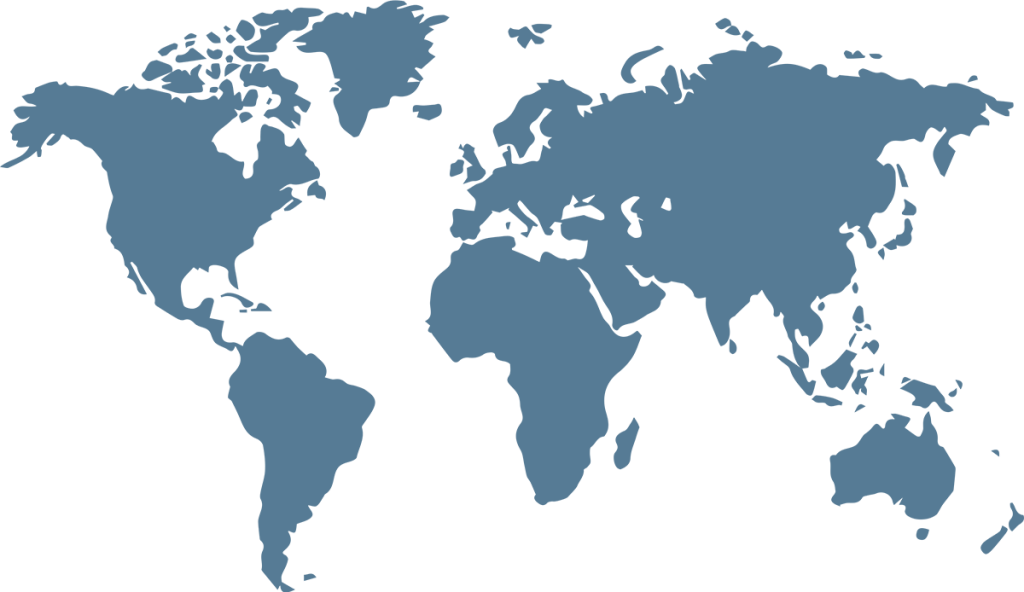
From Monrovia’s dusty pitches to Europe’s grandest stadiums, Africa’s footballing giants didn’t just play the game—they reshaped it. These 10 icons, from George Weah’s historic Ballon d’Or to Roger Milla’s iconic corner-flag wiggle, carried the continent’s spirit onto the world stage. They won trophies, broke records, and inspired millions, proving Africa’s heartbeat drives football’s soul. Here’s their story, raw and unfiltered.
George Weah (Liberia) – The Lone Star Who Shined Brightest
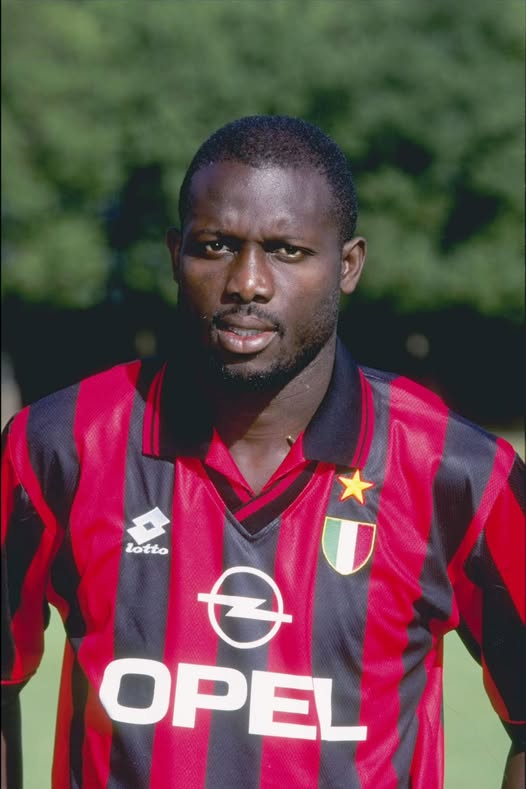
George Weah didn’t just break barriers—he obliterated them. Blazing through defenses with speed and skill, he went from Monrovia to Monaco, where Arsène Wenger molded him into a global star. In 1995, he became the first and only African to win the Ballon d’Or and FIFA World Player of the Year, dominating at AC Milan with two Serie A titles (1996, 1999). Later, he added an FA Cup with Chelsea. For Liberia, Weah was a one-man army, dragging his small nation to two Africa Cup of Nations tournaments. Liberia’s greatest? No debate.
Samuel Eto’o (Cameroon) – The Goal Machine
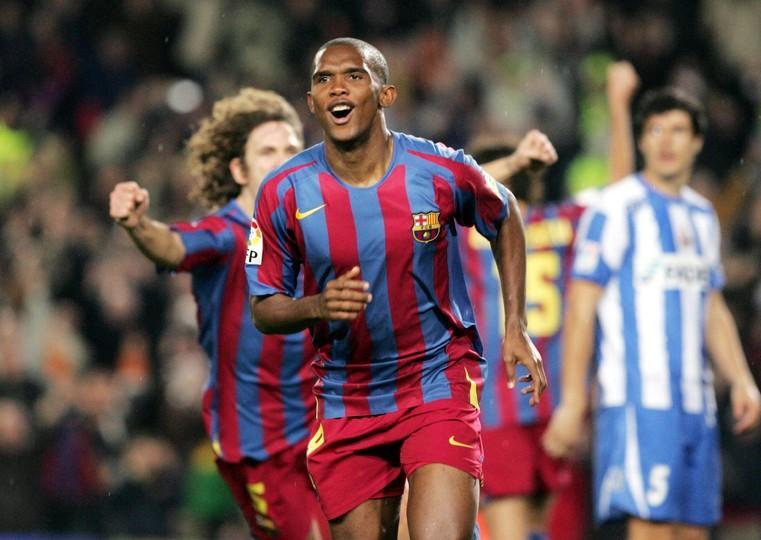
Samuel Eto’o was a cold-blooded finisher. At Barcelona, he scored in two Champions League finals, clinching three La Liga titles. Then, at Inter Milan, he made history as one of only four players to win back-to-back European Cups with different clubs. Cameroon’s talisman delivered Olympic gold in 2000 and two Africa Cup of Nations titles. With a record as Cameroon’s top scorer and the all-time leading marksman in Africa Cup history, Eto’o’s legacy is untouchable.
Didier Drogba (Ivory Coast) – The Clutch King
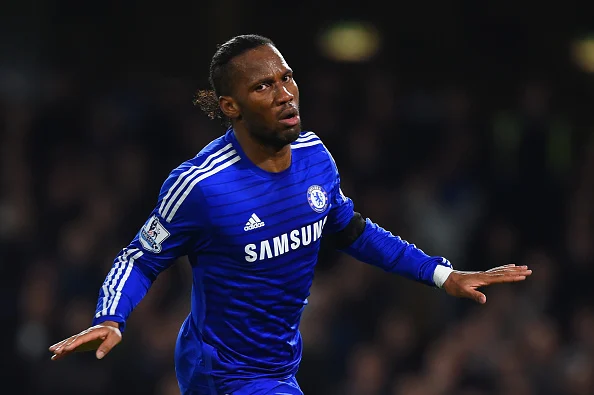
Didier Drogba lived for the big moments. At Chelsea, he powered through for four Premier League titles and, in 2012, sealed their first Champions League with a last-gasp equalizer and the winning penalty in the final. Twice African Footballer of the Year, he’s Ivory Coast’s all-time top scorer. Off the pitch, Drogba’s call for peace during Ivory Coast’s civil war after 2006 World Cup qualification showed his heart matched his grit.
Austin “Jay-Jay” Okocha (Nigeria) – The Wizard of Flair
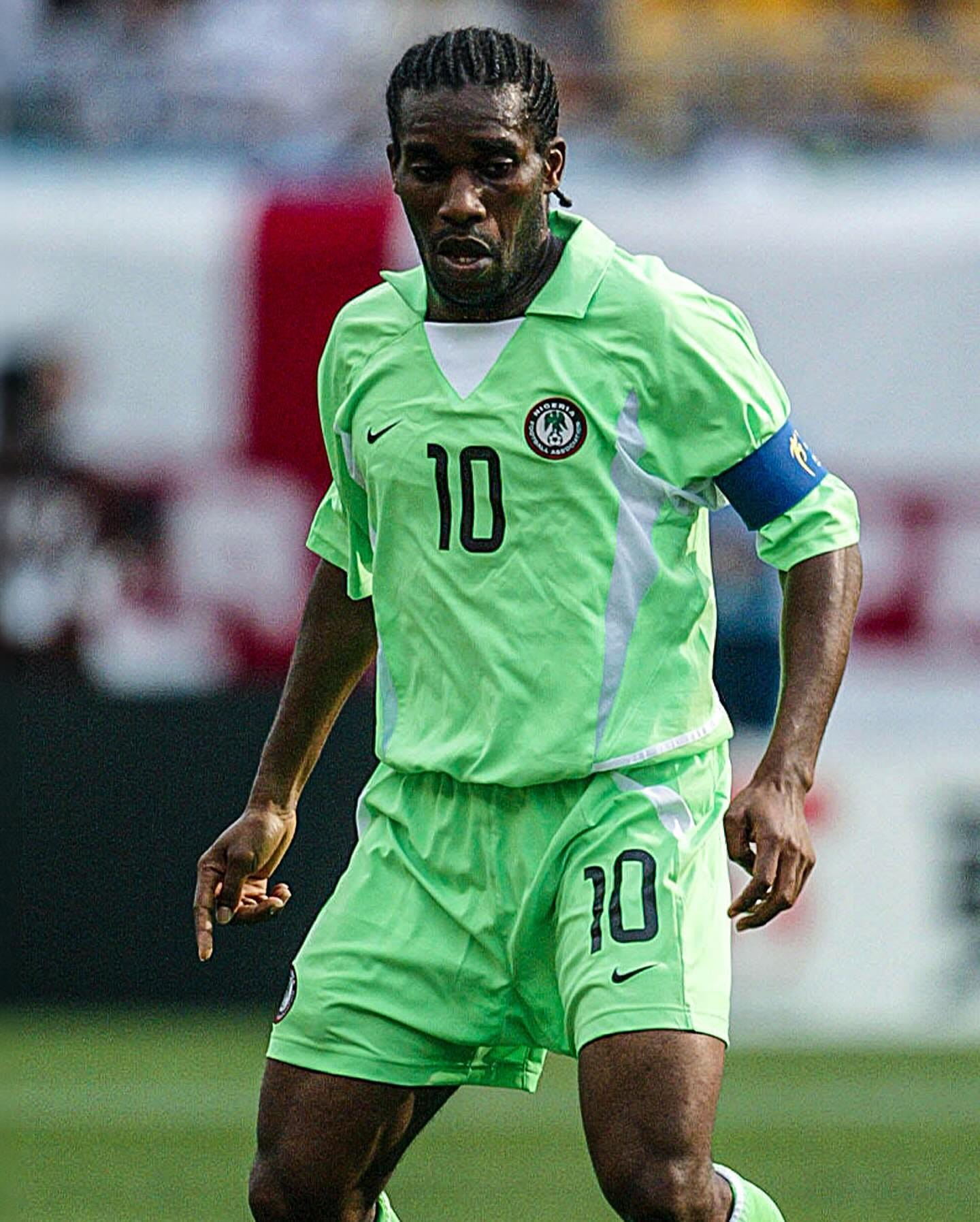
Jay-Jay Okocha played football like it was art. His dazzling tricks humbled Bundesliga defenders at Eintracht Frankfurt and even schooled a young Ronaldinho at PSG. At Bolton Wanderers, he became a Premier League cult hero, single-handedly keeping the club afloat with moments of magic. For Nigeria, he won the 1994 Africa Cup of Nations and Olympic gold in 1996. Twice BBC African Footballer of the Year, Okocha proved football could be poetry.
Nwankwo Kanu (Nigeria) – The Resilient Giant
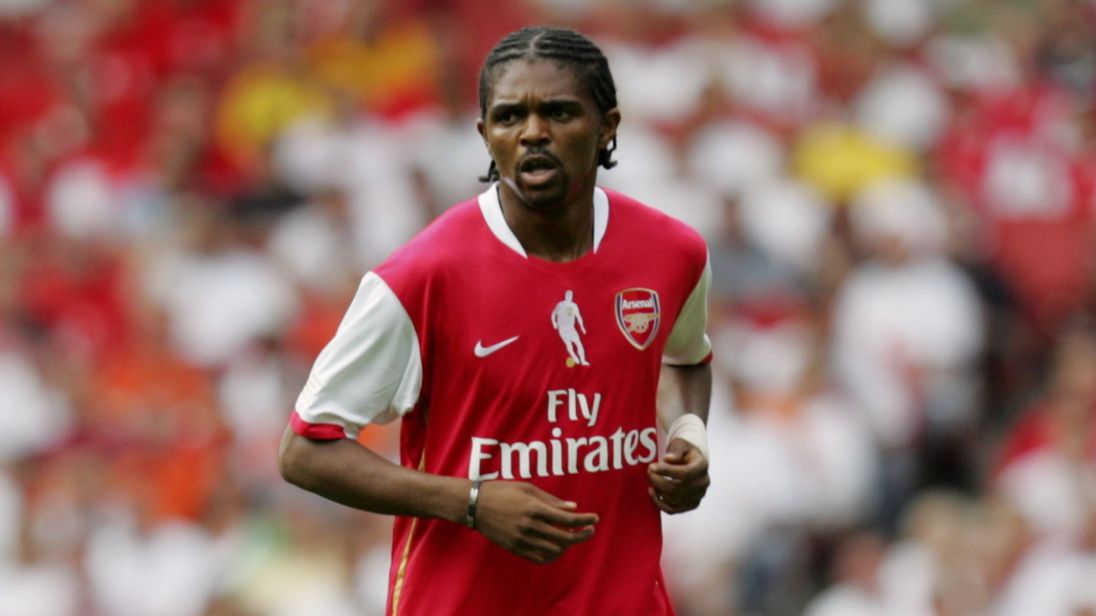
Kanu’s story is pure defiance. After a life-threatening heart condition, he rose to win the 1995 Champions League with Ajax, then joined Arsenal to claim two Premier League titles and three FA Cups, including the “Invincibles” season. He captained Nigeria to Olympic gold in 1996 and earned two African Player of the Year awards. Off the field, his Kanu Heart Foundation saved lives, making him a hero in every sense.
Abedi “Pele” Ayew (Ghana) – The Black Star Maestro
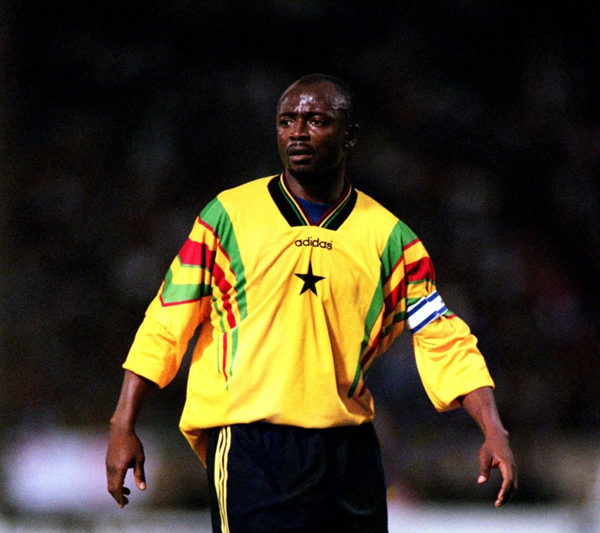
Abedi Pele earned his nickname. At Olympique Marseille, he won four French league titles and the 1993 Champions League, setting up the decisive goal with a pinpoint corner. He’s the only player to win African Footballer of the Year three years straight (1991–1993). Leading Ghana to the 1982 Africa Cup of Nations and captaining the Black Stars through their golden era, Pele was Africa’s midfield king.
Rabah Madjer (Algeria) – The Backheel Legend
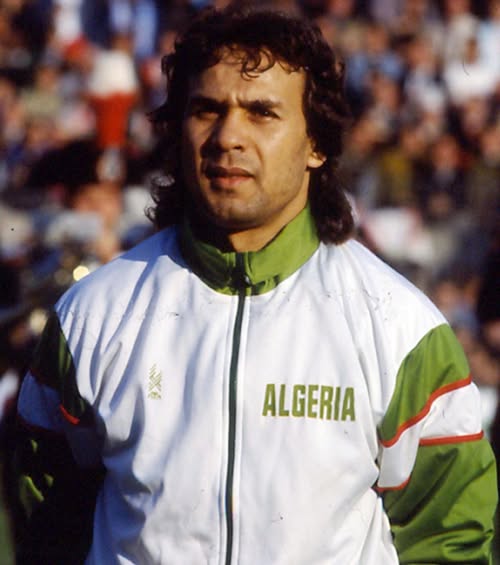
Rabah Madjer’s audacity defined him. His jaw-dropping backheel goal in the 1987 European Cup final handed Porto victory over Bayern Munich, paired with three Portuguese league titles and an Intercontinental Cup. For Algeria, he lifted the 1990 Africa Cup of Nations and starred in two World Cups. Madjer’s flair paved the way for North African stars in Europe.
Essam El-Hadary (Egypt) – The Eternal Keeper
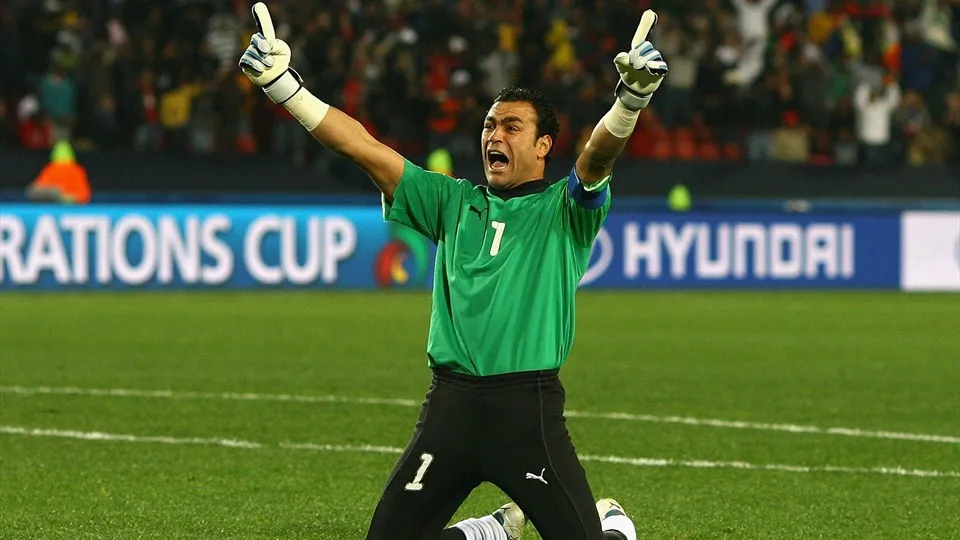
Nicknamed the “High Dam,” Essam El-Hadary was a wall for two decades. With Al Ahly, he stacked up domestic titles and three CAF Champions League crowns. For Egypt, he won a record four Africa Cup of Nations titles and, at 45, became the oldest player in World Cup history in 2018. His longevity and leadership made Egypt a powerhouse.
Benni McCarthy (South Africa) – The Trailblazing Striker
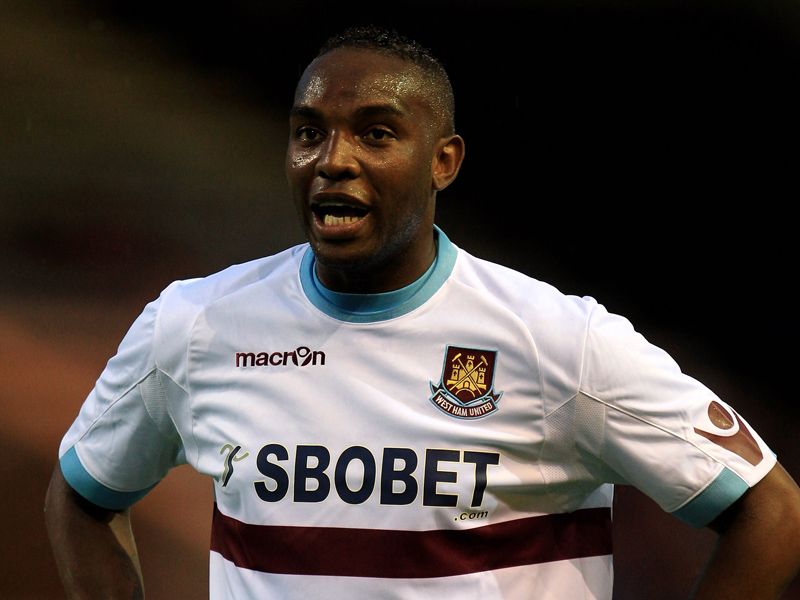
Benni McCarthy put South Africa on the map. Under José Mourinho at Porto, he scored vital goals en route to the 2004 Champions League. Bafana Bafana’s all-time top scorer, he carried South Africa to the 1998 Africa Cup of Nations final, embodying a nation’s post-apartheid dreams. McCarthy wasn’t just a striker, he was a pioneer.
Roger Milla (Cameroon) – The Dancing Legend
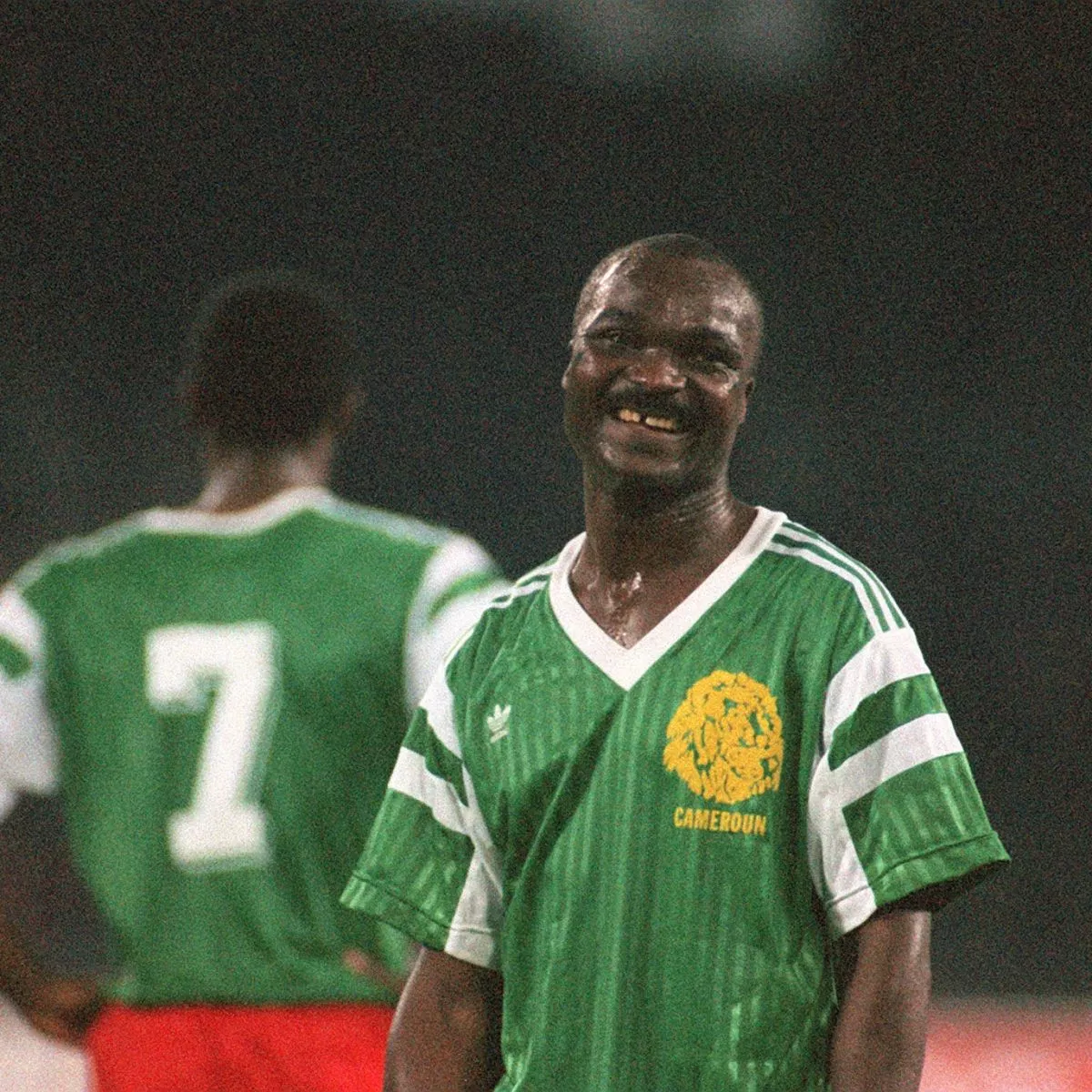
Roger Milla was joy personified. At 38, he lit up the 1990 World Cup, scoring four goals and leading Cameroon to Africa’s first quarterfinal, his corner-flag dance becoming a global icon. He won two Africa Cup of Nations titles and, at 42, set a record as the oldest World Cup scorer in 1994. Milla showed the world that age is just a number.
These legends didn’t just play—they inspired. They carried Africa’s dreams, broke down walls, and left a legacy that still burns bright. Football’s soul? It’s African.