
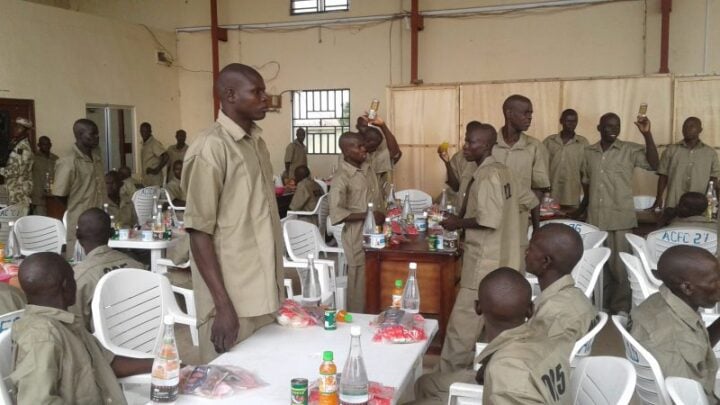
Nigeria’s fight against terror and banditry has entered a strange, almost surreal phase. Gunfire still echoes through forests and villages, yet in government chambers the dominant vocabulary is now rehabilitation, reintegration, reconciliation. From the federal level to states like Katsina, officials insist that offering repentant fighters a path back to civilian life is the pragmatic way to end the bloodshed. The argument has surface logic: incentives can shorten wars and save lives. But in the haste to redeem perpetrators, the state is committing a subtler, more enduring wrong – neglecting the victims who paid the price and the soldiers who held the line.
The approach is straightforward: repentant bandits and insurgents surrender, enter deradicalization programs, receive counseling, vocational training, tools, even business support, and return to society with a second chance. In September 2025, Katsina promised industrial tools and cattle to repentant bandits. By January 2026, the state moved to release 70 suspected bandits held in custody – framed as a peace-consolidating swap that freed abducted persons – despite a five-year civilian death toll exceeding 1,500 in the state alone. Proponents call it smart counterterrorism. Critics call it moral inversion.
The inversion is glaring when juxtaposed with victims’ realities. In northern Nigeria, tens of thousands remain displaced – farms razed, families shattered, futures suspended. Many linger in camps or host communities, too scarred to return, too invisible to rebuild. Compensation arrives fitfully, if at all. Psychosocial support is scarce. Justice feels distant. When the state pours resources into rehabilitating attackers while victims scrape by, the gesture reads not as healing but as selective forgetting.
There are rare counterexamples that prove better is possible. Kaduna State has commissioned housing units for some victims of banditry attacks, providing concrete assets – homes that restore dignity, stability, and economic footing. It is not comprehensive, but it is deliberate: victims before perpetrators. That such efforts remain exceptional reveals how far the default still falls short.
The imbalance extends to the front lines. Nigeria’s soldiers – often young, under-remunerated, rotated infrequently – endure ambushes, IEDs, and relentless psychological strain against an elusive foe. Yet chronic complaints persist: inadequate equipment, delayed allowances, unpaid entitlements for the wounded or bereaved families, and low morale that has prompted warnings of unrest. A state that demands ultimate sacrifice from its troops must at least deliver on basic duty of care. Neglect here breeds cynicism that no victory parade can dispel.
This is not a rejection of rehabilitation. It is a demand for equilibrium. Peace constructed on one-sided compassion is fragile. If repentant fighters gain structured aid while victims navigate indifference and soldiers wait for promised support, resentment will simmer. Communities cannot be expected to welcome former attackers unless they see justice tempered by mercy – not mercy that overshadows justice.
Global precedents illuminate the path. South Africa’s Truth and Reconciliation Commission paired amnesty with public testimony and reparations. Colombia’s DDR programs, though imperfect, included victim registries and compensation alongside ex-combatant reintegration. The common thread is not blind imitation but a coherent moral framework: accountability, restitution, and reintegration in balance.
Nigeria can adjust course without abandoning pragmatism. Institutionalize victim support – housing, healthcare, trauma care, livelihood programs – funded and monitored with the same rigor as perpetrator rehabilitation. Ensure transparency: communities must know who is returning, under what safeguards, and with what accountability. Elevate soldier welfare from platitudes to enforceable policy – modern gear, mental health services, prompt benefits, and a real covenant of honor.
The question is no longer whether to rehabilitate repentant terrorists and bandits. It is whether Nigeria can do so without betraying those who suffered most and those who defended the nation at greatest cost. True peace is not tallied in surrendered weapons alone. It is measured in restored trust – ybetween citizens and their state, between victims and justice, between soldiers and the republic they serve. Absent that trust, today’s headline-friendly “rehabilitation” risks becoming tomorrow’s deeper fracture.