

In the sun-baked mines of Nigeria’s Nasarawa State, where artisanal diggers toil under precarious conditions for flecks of tourmaline beryl and sapphire, a quiet revolution is underway. It’s not driven by heavy machinery or foreign conglomerates, but by the vision of one woman: Lotanna Amina Okpukpara, the GIA-certified gemologist and engineer behind Mina Stones. Known affectionately as “Mina,” Okpukpara is reshaping the continent’s mining and jewelry sectors not just by crafting exquisite pieces, but by forging ethical supply chains that empower communities and challenge the exploitative norms of an industry long plagued by inequality.
Okpukpara’s journey began far from the dusty pits. Born in Nigeria with West African roots, she pursued engineering before earning a master’s in business and innovation from the University of Lancaster in the U.K. Her pivot to gemology came with a Graduate Gemologist diploma from the Gemological Institute of America (GIA), fueled by scholarships from industry trailblazers. “I’ve always been drawn to gemstones,” she has said, reflecting on her early fascination with their raw beauty and cultural significance. In 2011, she founded Mina Stones in Abuja, transforming it into a vertically integrated social enterprise that spans from mine to market. Today, with a footprint in Atlanta, Georgia, the company sources gems primarily from Nigeria and Cameroon, processes them in local centers, and designs jewelry inspired by nature and West African traditions.
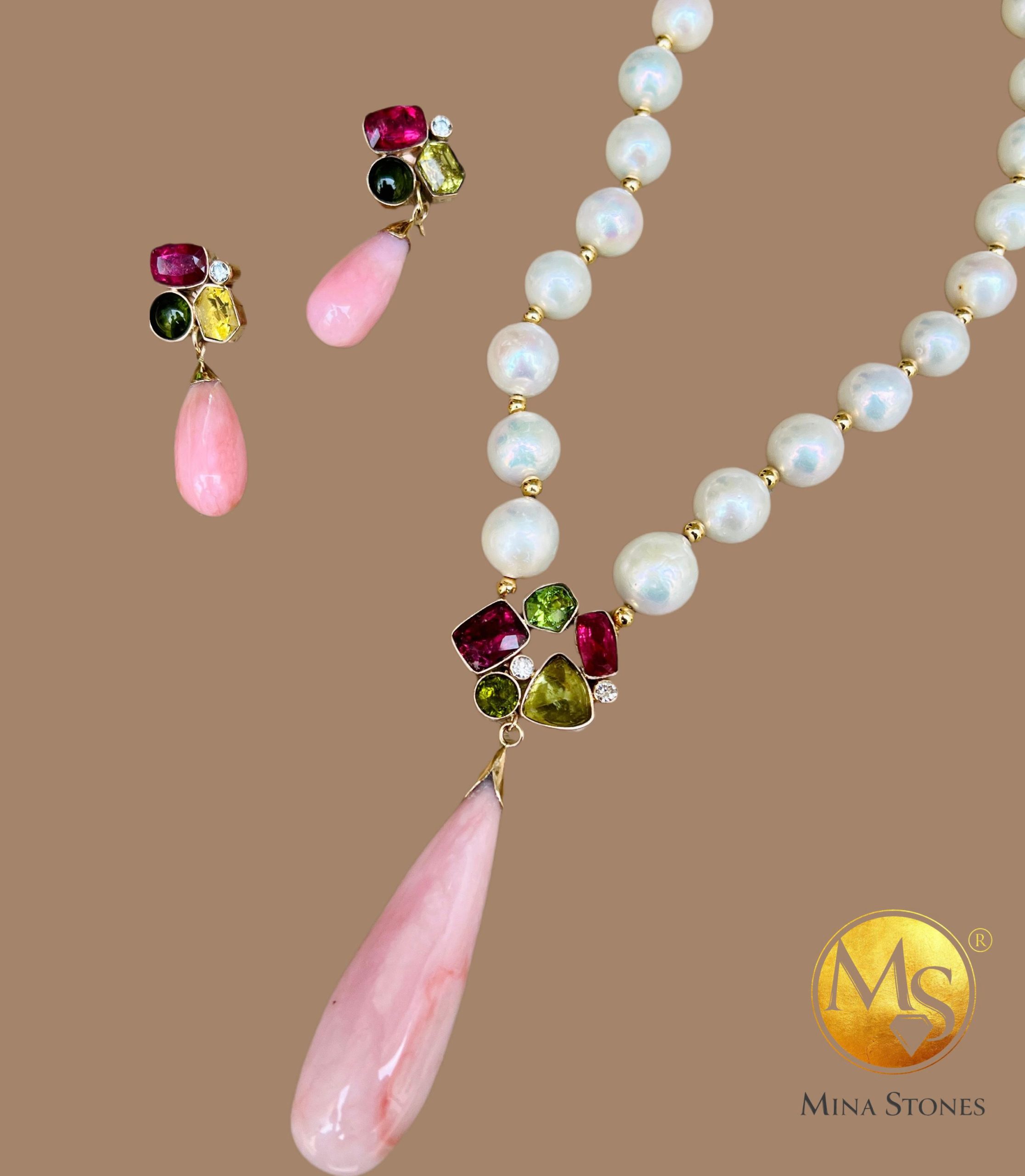
What sets Mina Stones apart is its unwavering commitment to responsible sourcing. In an industry where artisanal and small-scale miners (ASM) who produce up to 80% of Africa’s gemstones often face hazardous conditions, meager pay, and environmental degradation, Okpukpara has built a model that prioritizes people over profits. Her team adheres to OECD due diligence guidelines, conducting in-house audits to ensure transparency. Miners receive support beyond fair prices: licenses to formalize operations, free training in safe extraction techniques, tools like helmets and boots, and even micro-grants for education and family needs such as school fees and mentorship programs. “We’re not just buying stones; we’re investing in lives,” Okpukpara explains, emphasizing how these initiatives address poverty in mining communities.
One of her boldest moves came in 2015 with the launch of the African Gemstones & Jewelry Exhibition & Seminar (AGJES), West Africa’s first such event. It fostered collaboration among miners, traders, and designers, sparking trade networks and highlighting Africa’s untapped potential. Mina Stones has since helped established gemstone processing centers, turning rough stones into polished treasures that fetch premium prices internationally. This value addition processing gems locally rather than exporting them raw could be a game-changer for Africa, where mineral wealth has historically enriched outsiders while leaving locals in the dust.
Okpukpara’s impact extends through strategic partnerships. In 2022, she collaborated with NYINI Luxury on the Arewa Medallion Collection, inspired by the Nigerian Northern Knot symbol of unity. She partners with like minded individuals and organizations to train west African miners in safety, business skills, and sustainable practices. The funds equipped gold and gemstone miners in Niger and Nasarawa with essentials, underscoring Okpukpara’s belief that “small-scale miners work in challenging conditions, and supporting them unites us all.” As a mentor with the Women’s Jewelry Association, she guides emerging African professionals, building a new generation of ethical entrepreneurs.
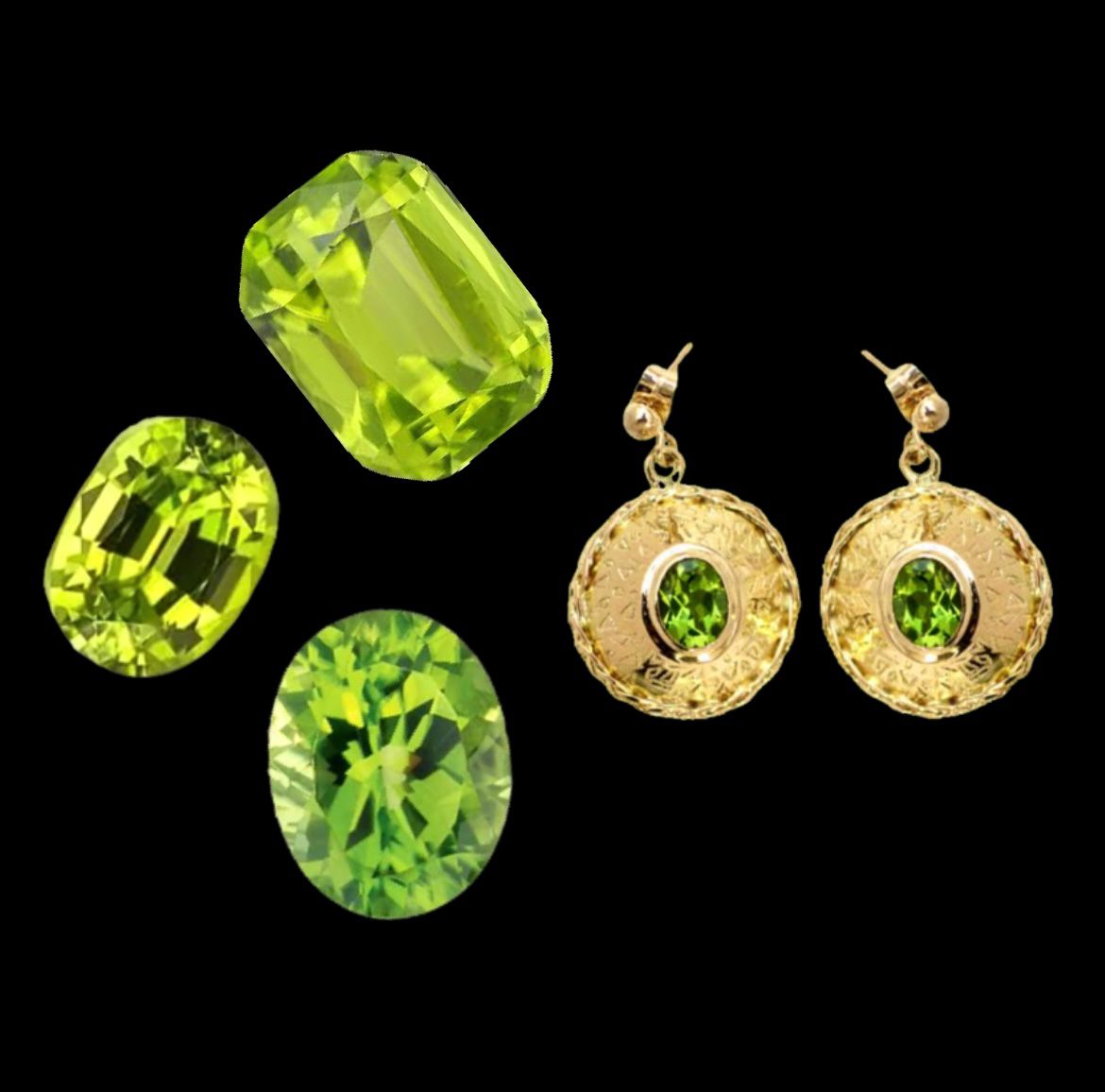
These efforts are redefining an industry rife with challenges. Africa’s mining sector, valued at billions, has been marred by informal operations, smuggling, and environmental harm. In Nigeria alone, gemstones like sapphire and tourmaline abound, yet lack of structure and right policies or implementation hinders growth. Okpukpara confronts these head-on, advocating for an enabling environment where ASM can thrive sustainably. Her work aligns with broader continental shifts, as governments like Nigeria’s push for value addition under leaders like past and present Solid Minerals Ministers, Dr Kayode Fayemi, Arc Adegbite, Dele Alake. Yet, the financial burden of transparency remains a hurdle maintaining ethical standards costs more upfront, but Okpukpara argues it’s essential for long-term gains.
Recognition has followed: In August 2025, Mina Stones was selected for the WEIDE Fund, a women-focused program bolstering female-led ventures. Okpukpara’s vision? To expand Nigeria’s gem trade across Africa, illuminating the continent’s “intrinsic value” through gemstones and jewelry that tells stories of resilience and beauty. In a world increasingly demanding ethical luxury, her model proves that Africa’s gems can sparkle not just on necks and fingers, but in the economies and lives they uplift.
As Okpukpara continues to bridge mines and markets, she reminds us that true redefinition comes from within empowering the hands that unearth the earth’s treasures. Africa’s jewelry renaissance isn’t just about shine; it’s about justice.